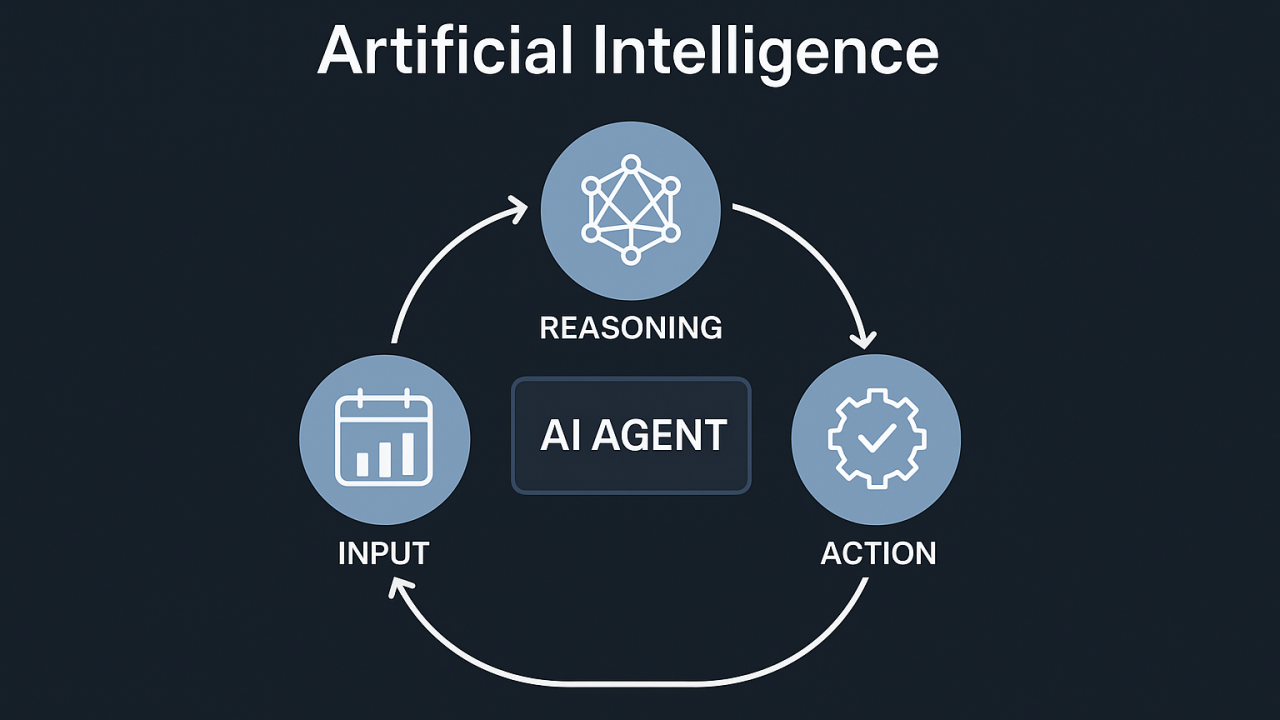
Marketing today moves fast—really fast. Campaigns span multiple platforms, audiences change behavior overnight, and data never stops flowing. In this environment, relying only on manual processes is no longer enough. This is where AI agents step in and quietly transform how modern marketing workflows operate.
AI agents are not just tools that automate single tasks. They are intelligent systems that can observe data, make decisions, take actions, and improve over time. When applied correctly, they become digital teammates that streamline marketing operations from strategy to execution.
What Are AI Agents in Marketing?
An AI agent is a software-based entity designed to perform tasks autonomously by analyzing data, following goals, and adapting based on results. In marketing workflows, AI agents can:
- Monitor performance metrics in real time
- Execute predefined actions (like launching or pausing campaigns)
- Learn from past outcomes to optimize future decisions
- Collaborate with other tools and platforms
Unlike traditional automation, AI agents don’t just follow rules—they reason and adjust.
Why Marketing Workflows Need AI Agents
Modern marketing workflows are complex. A single campaign might involve keyword research, content creation, ad bidding, audience targeting, A/B testing, reporting, and optimization. Managing all this manually leads to delays, errors, and missed opportunities.
AI agents solve these challenges by offering:
- Speed – Decisions happen in seconds, not days
- Scalability – One agent can manage hundreds of campaigns
- Consistency – Processes run the same way every time
- Data-driven accuracy – Choices are based on live data, not assumptions
Key Marketing Areas Powered by AI Agents
1. Campaign Planning and Strategy
AI agents can analyze historical performance, audience behavior, and market trends to suggest campaign strategies. They help marketers decide:
- Which channels to prioritize
- When to launch campaigns
- What budget distribution makes sense
This allows human teams to focus on creative direction instead of spreadsheets.
2. Content Creation and Optimization
AI agents assist with:
- Topic ideation based on audience interest
- Content structure and keyword placement
- Performance analysis of published content
They can recommend updates to underperforming pages and identify content gaps automatically.
3. Paid Advertising Management
In paid marketing workflows, AI agents can:
- Adjust bids in real time
- Pause low-performing ads
- Allocate budget to high-converting campaigns
- Test multiple ad variations simultaneously
This leads to better ROI without constant manual supervision.
4. Lead Generation and Nurturing
AI agents track user behavior across touchpoints and decide:
- When to trigger emails or messages
- Which leads are sales-ready
- How to personalize communication
The result is a smoother, more relevant customer journey.
5. Analytics and Reporting
Reporting often consumes valuable marketing time. AI agents simplify this by:
- Collecting data from multiple sources
- Highlighting meaningful trends
- Flagging anomalies and sudden performance drops
- Generating insights instead of raw numbers
Marketers receive actionable intelligence, not just reports.
Human + AI: The Ideal Workflow
AI agents don’t replace marketers—they augment them. The most effective workflows combine:
- Human creativity for storytelling and branding
- Human judgment for ethical and strategic decisions
- AI intelligence for speed, scale, and optimization
This collaboration creates workflows that are both efficient and deeply strategic.
Benefits of Using AI Agents in Marketing
- Reduced operational workload
- Faster decision-making
- Improved campaign performance
- Better use of marketing budgets
- Consistent execution across channels
Over time, AI-driven workflows become smarter, learning what works best for your specific audience and goals.
The Future of AI Agents in Marketing
As AI technology evolves, marketing agents will become more autonomous and collaborative. We can expect:
- Multi-agent systems handling entire campaigns end-to-end
- Deeper personalization at scale
- Predictive marketing decisions before trends peak
- Seamless integration across all marketing platforms
The brands that adopt AI agents early will gain a significant competitive edge.
Final Thoughts
Using AI agents for marketing workflows is no longer a futuristic idea—it’s a practical advantage. By automating complex processes, analyzing massive data sets, and continuously optimizing performance, AI agents free marketers to focus on what matters most: creativity, strategy, and growth.
In a world where attention is scarce and competition is intense, AI-powered workflows aren’t just helpful—they’re essential.